The One-Person Software Studio Betting That the Middle Market Was Never the Problem
There is a stretch of the economy that software forgot. It starts somewhere around the point a business outgrows the spreadsheet it has been quietly abusing for years, and it ends well short of the budget required to summon a proper enterprise platform. Companies stuck in that stretch know the feeling intimately: the tool that ran fine at ten people now groans at fifty, the "temporary" workaround has calcified into load-bearing infrastructure, and years of valuable data sit locked inside a system that refuses to report on any of it.
For most of these businesses, the pitch from the software industry has been the same for two decades — pay for a bespoke build you can't afford, or make do. Twelve Rocks, a custom software studio operating out of Elizabeth, Colorado, is built on the wager that this was always a false choice.
The studio's own framing is disarmingly plain. The problems it targets, it says, aren't failures on the customer's part — they're seams, the places where off-the-shelf tools were never shaped to fit a particular business. "That seam," the company puts it, "is exactly what I build for." What struck me, reviewing the operation, was how completely the model has been organized around removing every reason a first-time buyer might have to say no.
One architect, twenty-five years, no agency in sight
The first surprise is the org chart, because there isn't one. Twelve Rocks is a single senior architect — twenty-five years into the work — who takes a business problem from idea to shipped, production software and stays accountable for it the entire way. Not an agency. Not a rotating cast of subcontractors. One experienced builder who, in the company's telling, now delivers the output of a full team alone because the tools finally caught up.
That last phrase is the quiet thesis of the whole enterprise. The recent leap in AI-assisted development has been discussed mostly as a threat to jobs or a novelty for hobbyists. Twelve Rocks reframes it as a supply-side unlock: capability that used to require a team, and a team's overhead, now sits within reach of a lone practitioner — and, by extension, within reach of the customers a team's overhead used to price out. "Big-league capability, within reach," the studio says. "That's the whole idea." On the evidence of the model, it isn't a slogan so much as a description of the economics.
For the buyer, the single-architect structure solves a problem they may not have known they had. There is no account manager translating your problem to a developer who translates it to another developer. You talk to the person building the thing. When something is accountable to exactly one name, there is nowhere for accountability to leak.
The terms are the product
If the staffing model is what makes Twelve Rocks possible, the commercial terms are what make it genuinely novel — and, for someone who has never commissioned custom software, close to reassuring.
Every engagement opens with a short, fixed-fee discovery phase. No guessing at numbers, no open-ended meter. From there, the work is priced as a single number for a defined result, agreed before anything starts. If a build runs longer than expected, the studio absorbs it — "that's on me, not your bill," as the company puts it. Anyone who has watched an hourly software contract metastasize will recognize how much risk that one sentence quietly transfers off the customer's shoulders.
Then there is the structure. Work proceeds in phases, and the client decides at each one whether to continue. Stop whenever you like; you keep everything you've paid for and owe nothing further. It is the opposite of the lock-in that has defined enterprise software procurement — a relationship you can walk away from at any checkpoint without penalty, which paradoxically is what makes it easy to keep going.
And crucially, you own it. From the first week, everything lives in the client's own accounts — their cloud, their domain, their code — documented and built on standard, unexotic tools. There is no proprietary black box, no hostage situation dressed up as a platform. If the relationship ends, the software doesn't.
Built to be carried forward
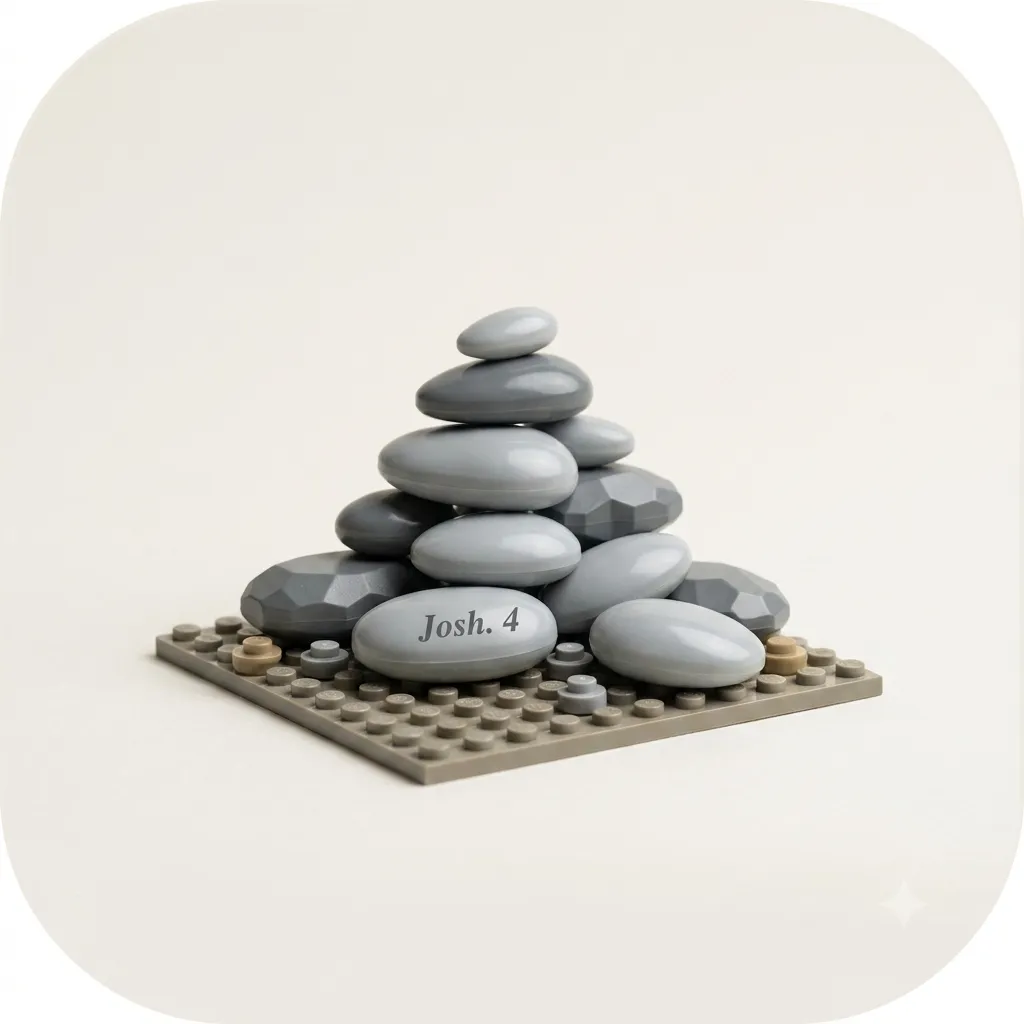
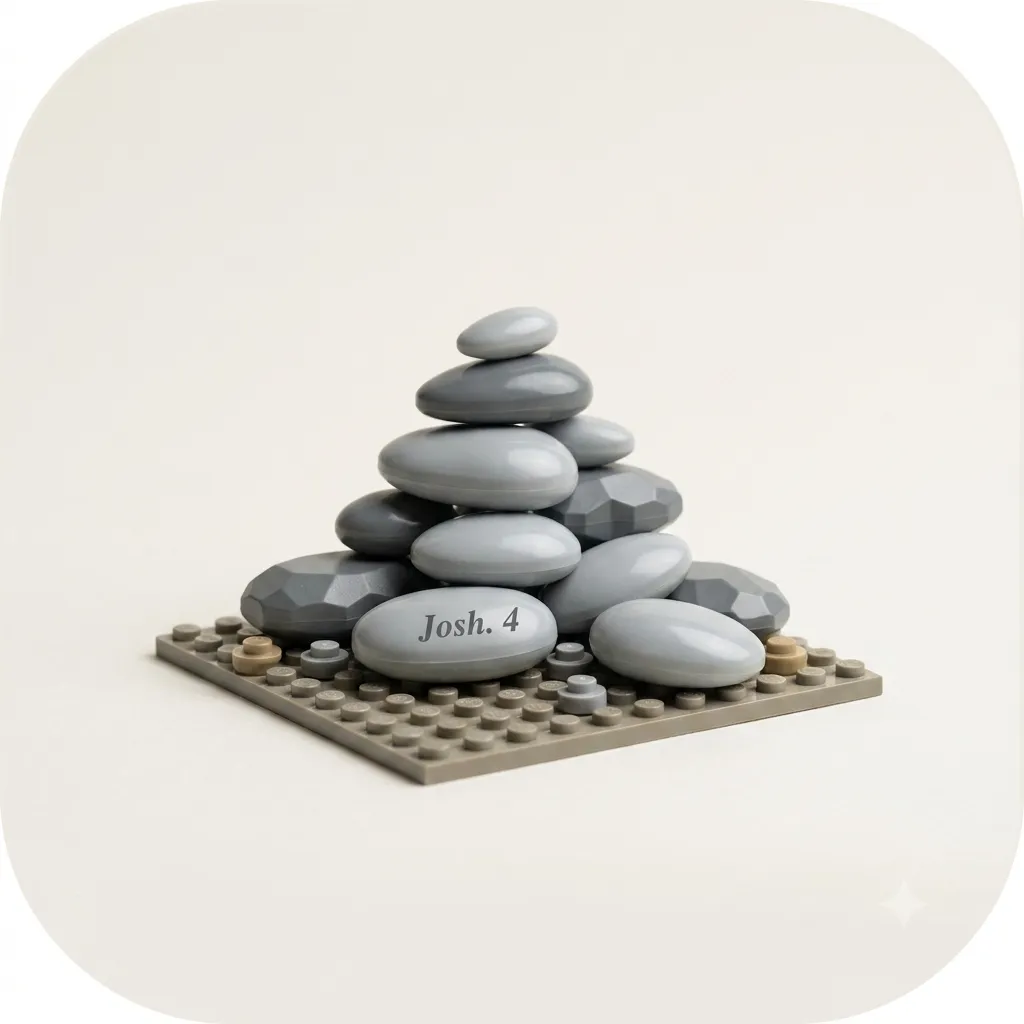
The name is not an accident, and it is worth dwelling on because it explains the rest. It comes from an old story of twelve stones set up as a memorial — built to stand, so that those who come after can look at it, understand it, and carry it forward. As a design philosophy for software, that is almost subversive in its modesty. It privileges legibility over cleverness, durability over lock-in, the customer's future self over the vendor's recurring revenue.
You can see that ethic threaded through everything: the standard tools, the documentation, the ownership from day one, the phases you can stop at. This is software explicitly designed to outlast its author's involvement — the rarest quality in an industry that mostly builds to keep you subscribed.
There are honest limits to what one person can take on, and Twelve Rocks doesn't pretend otherwise; the model is built for the outgrown-tool and locked-up-data problems of small and mid-sized firms, not for everyone. But for the businesses stranded in that forgotten stretch — too big for the spreadsheet, too small for the enterprise suite — the studio is offering something they have rarely been offered at all: a fixed price, a free first conversation, a promise to tell them plainly if it isn't a fit, and software that is theirs to keep.
For a market that was told for twenty years it had two options, a third is a genuinely good story.
Twelve Rocks LLC offers a free first conversation and a fixed-fee first phase. Details at Twelve Rocks.