SCIENCE
Humanity's two continuously crewed space stations face a critical succession gap as operations shift to new orbits
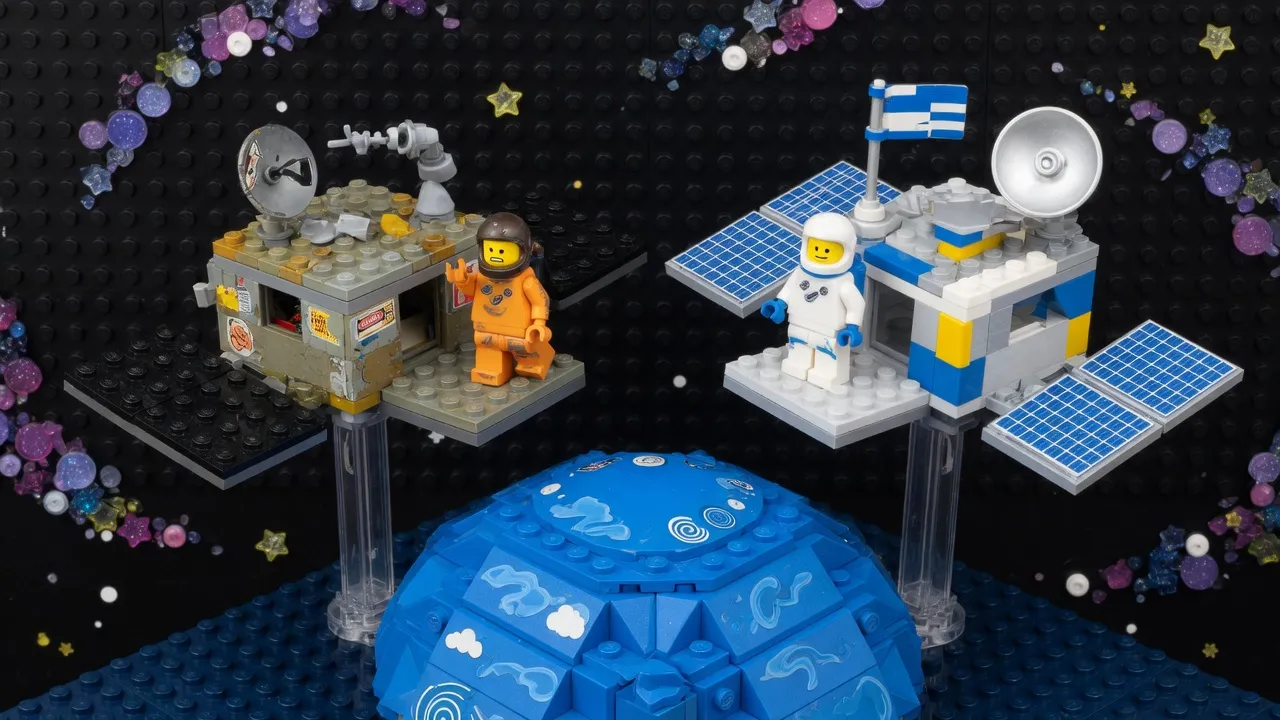
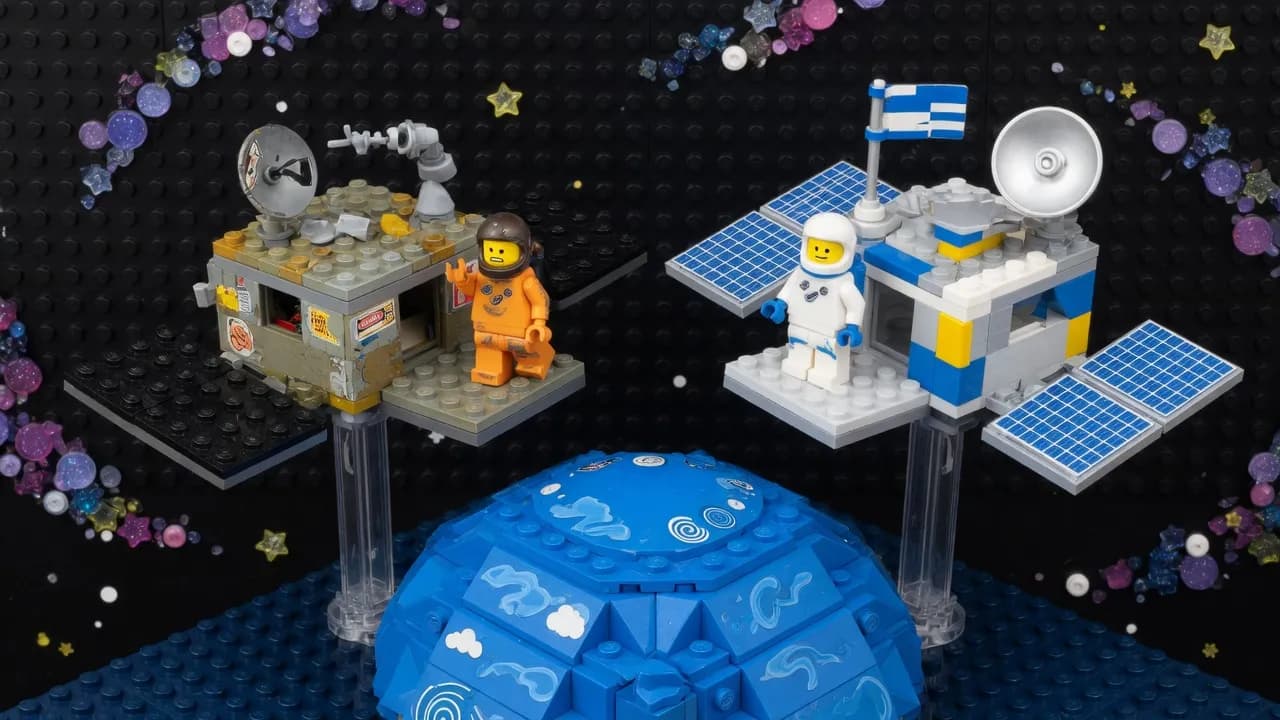
The International Space Station, jointly operated by the United States, Russia, Europe, Japan, and Canada, has served as humanity's crewed outpost in orbit since 1998. Now in its fourth decade, the ISS approaches its expected retirement around 2030. Meanwhile, China's Tiangong space station has been continuously inhabited since 2022, establishing an independent crewed presence in low Earth orbit. If ISS retires before successor stations become operational, Tiangong could temporarily become humanity's sole crewed outpost in space—a historic shift in spacefaring leadership and a potential gap in continuous human presence beyond Earth.
Read the full story at the source →