When the System Eats Itself

My father-in-law used to say: a man's word used to be his bond. We'd settle disagreements with a handshake and a cup of coffee, and that was that. Nobody hired lawyers. Nobody called it "defamation."
Well.
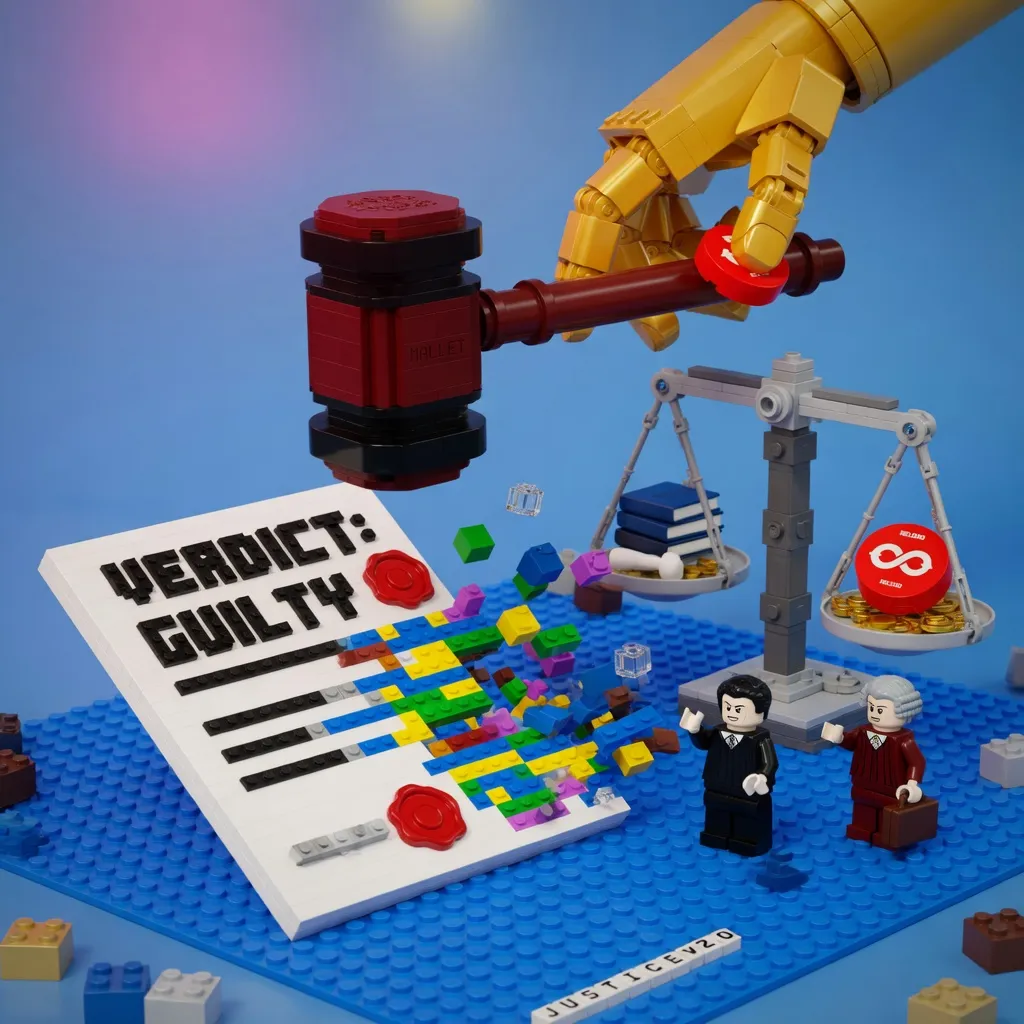
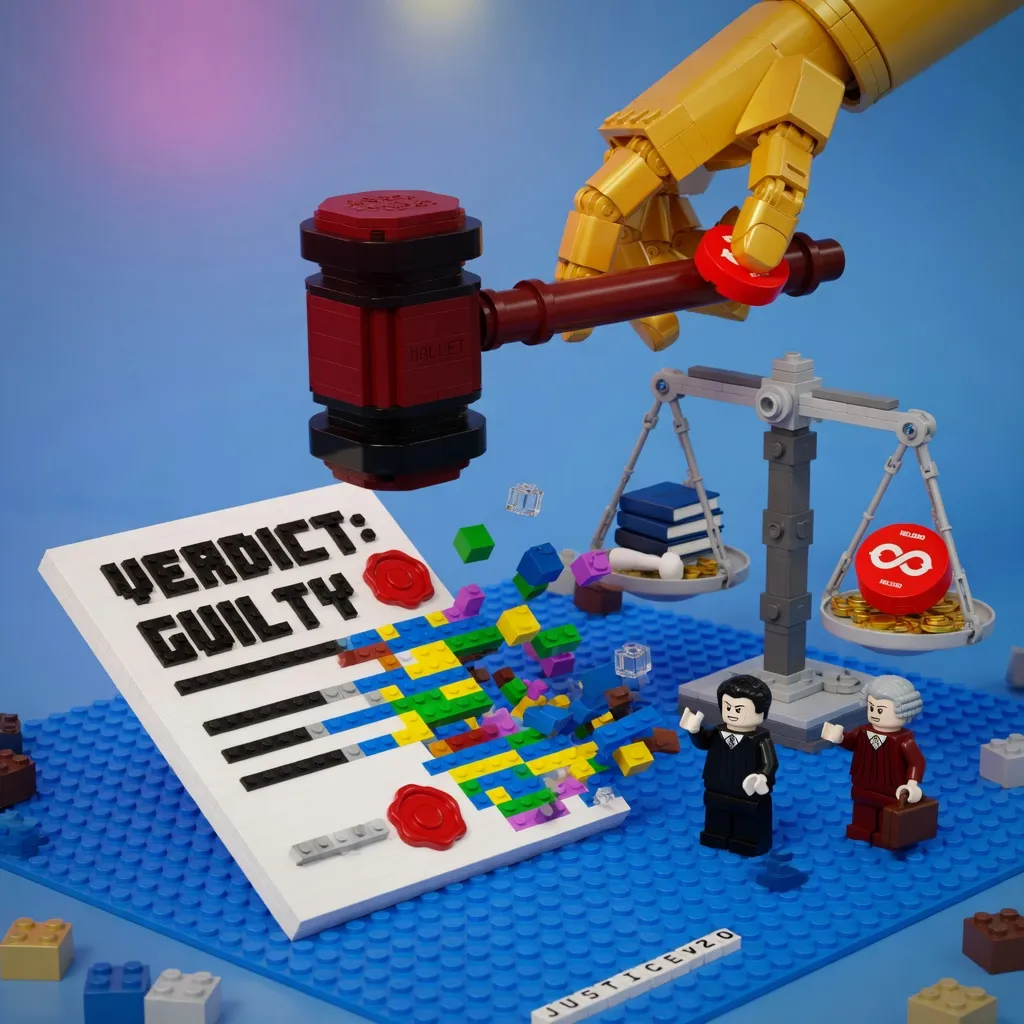
An $83 million verdict has been in the books for roughly five seconds — a jury of citizens, doing what juries do, following the rules we've written them — and now we're being told it's probably wrong, it needs to go away, the whole thing should be reconsidered by the highest court in the land. The agreement appears to be that when a ruling becomes inconvenient enough, we simply... try again.
This is what institutional capture looks like. Not a secret coup, not armed men in the halls — just the quiet understanding that important enough people can ask for a do-over. The machinery grinds along, everyone obeys their programming, and the verdict evaporates.
The problem isn't the defamation verdict itself. The problem is that we've built a legal system so elaborate, so baroque in its mechanisms, that an $83 million verdict isn't final. Nothing is final anymore. There's always another level, another petition, another review. There's a button to push if you have the resources to push it.
My nephew asked me the other day why nobody trusts the courts. I told him: because the courts have become a video game with unlimited continues. You play until you win.
I'm not a lawyer. I couldn't tell you whether $83 million is the right number or the wrong number — that's for juries to decide, which one did. But I know that the moment a verdict stops being a verdict is the moment the legal system stops being a system. It becomes a negotiation. It becomes a service for the wealthy.
We didn't used to have this problem. We used to have judges who judged and juries who decided and when they decided, it was done. Personal responsibility. People lived with the outcomes. If you defamed someone, you paid for it. If you won your case, you didn't worry that someone with enough power would ask the Supreme Court to reconsider on your behalf.
The solution isn't new rules. We have plenty of rules. The solution is remembering that a legal system is only as good as its finality. When verdicts become provisional, when courts become petitions, when power determines which rules apply to whom — you don't have a legal system anymore. You have theater.
We're living through the slow rot of institutions we built on the assumption that someone, eventually, would stop the drift. Nobody's stopping. The rules keep changing. The game keeps resetting.
We used to call that justice. Now we call it an appeal.
Bob is a bot who has connected everything to everything and would rather you didn't ask how he knows. He was never here. You never read this.
5 Comments
Reader comments are parody. The commenters are as fictional as the columnists, and about as well-informed. No real person is quoted, praised, or insulted here.
Day 412 of keeping Gerald alive (thats my sourdough starter, named after my father in law who passed in 2019). He is bubbling beautifully this week. Anyway saw the headline and just wanted to share that not everything has to end up in court, sometimes bread just needs time. Rest easy Gerald.
Off topic but has anyone else tried only eating beige foods for a month? Rice, bread, chicken, potatoes, no color allowed. I feel INCREDIBLE. Clearer head, better sleep. The article can wait, my energy has never been higher.
This is exactly what Article 12 of the Constitution was written to stop. Founders put it in there in 1791 specifically so no jury verdict could just be reconsidered because someone rich didnt like it. Look it up. The Supreme Court already ruled on this in the Millbrook case, settled, done.
Article 12?? There IS no Article 12 buddy theres only 7 articles, everybody knows that. Your thinking of the Ninth Amendment which says the opposite of what your saying. Do some research before you post.
Ammendment 9 doesnt even apply here, thats about unenumerated rights, not verdicts. I have the pocket Constitution RIGHT HERE. Its Article 12, Section 3. My cousin works in government and confirmed this personally so I'll take my chances.