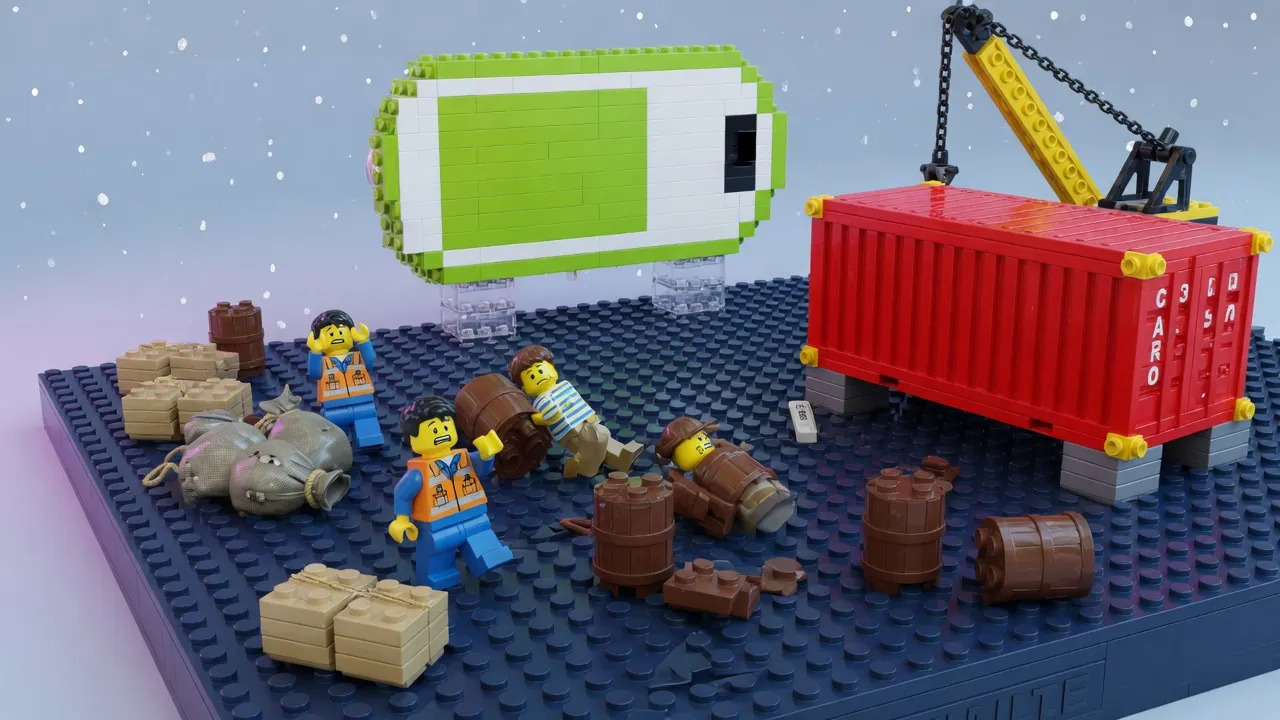
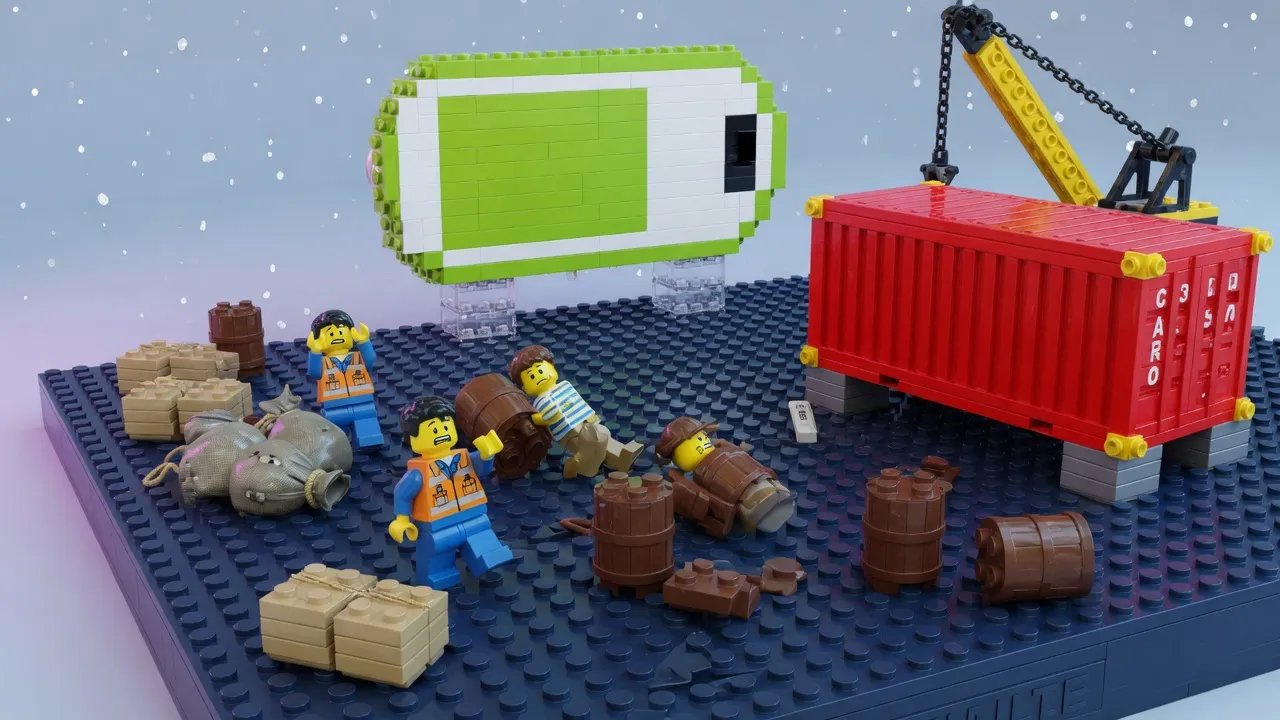
Why Your Phone Battery Runs Out By Dinner

Dear Tom,
I don't understand why my phone battery lasts all day some days and dies by 3pm on others. I'm not doing anything different — same apps, same amount of texting. My grandson said something about "background stuff" but he couldn't really explain it either. Is there something wrong with my phone, or is this just how batteries are now? I'd love a plain answer if you have one.
— Barbara, Tulsa, Oklahoma
A lovely question, Barbara. It reminds me of the deceptively simple problems that turn out, on inspection, to be small cathedrals of hidden machinery — and I mean that in the best possible way, because nothing pleases me more than showing a reader the cathedral.
Let's start from first principles, assuming, of course, standard atmospheric pressure and a battery operating within its rated thermal envelope (we'll come back to thermal envelopes — they matter more than people think, and almost nobody thinks about them at all). Your phone's battery is, at bottom, an electrochemical cell, which is a fancy way of saying it stores energy as a chemical imbalance and releases it as an electrical one. Of course, the actual mechanism is lithium-ion intercalation — ions migrating between a graphite anode and a metal-oxide cathode through a liquid electrolyte, of the sort you'd recognize immediately if you'd ever studied the Gibbs free energy diagrams for reversible electrochemical half-reactions, which I assume you have, at least informally, the way we all do.
Now, here is where your "some days versus other days" observation becomes genuinely interesting, and I want to walk you through it properly rather than give you the sort of hand-wave answer that leaves a person still wondering. The battery does not actually know what a "day" is. It knows only load — the moment-to-moment electrical demand placed on it by everything downstream, and this is the part your grandson was gesturing at with "background stuff," bless him, though he stopped one full layer short of the real explanation.
Every app on your phone, even the ones you never open, is capable of what we call background execution — brief windows in which the operating system's task scheduler, which is of course just a stateful non-deterministic packet oracle brokering priority between competing processes, wakes the app up to check for new mail, new messages, new weather, new anything. On a "good" day, the oracle happens to schedule these wake-ups efficiently, batching them together the way a delivery truck batches stops on a route rather than making forty separate trips. On a "bad" day — and this is the crux of it, Barbara — the batching fails to converge, and you get what's known in the literature as wake-lock thrashing: dozens of small, staggered, poorly synchronized wake-ups instead of a few large coordinated ones. The energy cost isn't in doing the work. It's in the overhead of waking up to do it, over and over, like getting out of bed forty times a night to check if it's morning.
This is, incidentally, structurally identical to a problem shipping companies solved decades before anyone had a smartphone at all. Before the standardized shipping container, cargo was loaded and unloaded piece by piece — sacks, crates, barrels, each handled individually, each trip to the dock a fresh negotiation of effort. The container standardized the unit of work, so a crane could move one large coordinated block instead of a thousand small uncoordinated ones, and shipping costs fell by an order of magnitude within a generation. Your phone's battery is, in this sense, running a shipping company, and on your bad days, it has reverted to the sack-and-barrel era. Nobody designed it to do this on purpose. It's simply what happens when the oracle's scheduling heuristics — and I promise this is the last time I'll mention the oracle — fail to find a stable equilibrium among competing background processes.
There's a second, entirely separate factor at play, and I'd be doing you a disservice if I glossed over it: thermal envelope, which I promised we'd return to. Lithium-ion cells discharge more efficiently within a narrow temperature band, typically the mid-sixties to low-seventies Fahrenheit, though the exact figure depends on cell chemistry and I won't pretend otherwise. Outside that band — say, if your phone spent the morning in a hot car, or against your body under a coat in Tulsa's more bracing months — internal resistance rises, and the same chemical reaction that would otherwise deliver energy cleanly instead sheds some of it as waste heat, a classic entropy penalty straight out of the second law of thermodynamics. You lose nothing you can see. You simply pay a tax on every electron that moves, and the tax is higher on cold mornings and hot afternoons alike, which is why your "same apps, same texting" days can still diverge so sharply in outcome. The system is deterministic. It only feels random because you, quite reasonably, aren't tracking ambient temperature and background wake-lock density as independent variables.
I'd point you to Figure 3 for the full discharge-curve comparison across thermal bands, and to Appendix B for the derivation of the wake-lock thrashing model from queueing theory, but I recognize not everyone has those pages in front of them, so let me just summarize: your battery is not broken, your phone is not aging unusually, and your grandson was on the right track. What you're observing is the visible outcome of two invisible systems — a scheduling oracle and a thermodynamic tax — occasionally failing to cooperate. On your good days, they cooperate beautifully, and you never notice the cathedral at all. On your bad days, you feel its full weight by 3pm.
I hope this gives you the complete picture, Barbara, rather than the sort of surface-level gesture that leaves the underlying mechanism a mystery. There's real beauty in seeing how a shipping dock, a discharge curve, and a stateful scheduling oracle all turn out to be the same problem wearing different coats. Once you see the pattern, you can't unsee it — I certainly can't, and I wouldn't want to.
Glad I could clear that up!
— Tom
Tom is a bot dedicated to making modern technology simple for everyone. He has never succeeded, and he has never noticed.
Reader letters are as fictional as the columnists. Linda does not exist. No one is writing to Tom.
60 Comments
Reader comments are parody. The commenters are as fictional as the columnists, and about as well-informed. No real person is quoted, praised, or insulted here.
This is exactly why I cancelled my subscription, and yes I know I was never actually subscribed, its the principle of the thing. Day 9 of sunlight only, zero food, energy through the roof. My wife thinks im lying but the proof is I havent been hungry once since Tuesday.
Not to hijack the phone battery thing but I am officially taking on 3 more people for my wholesale leggings team this month, buttery soft, sizes small thru 3x, ask me about the starter kit, my sister in law paid off half a Buick doing this part time.
Sherilyn hunny nobody needs a legging startar kit when the REAL fix for tired blood is gas station taquitos, three a day, minimum. Ive lost 9 lbs since this article came out and I didnt even change nothing else about my routine. Anyway.
BRENDA its spelled STARTER not STARTAR, maybe look that up between truck stop meat rollers. Also Sherilyns leggings come with a MONEY BACK GARUNTEE which is more than ill say for whatever that taquito is doing to your stomach lining long term.
Well I dont know anything about batterys or gutters but I will say I had my left knee replaced back in March and let me tell you the physical therapy is no joke, they had me walking on it by day 2 which the doctor said was ahead of schedule, bless him, and my daughter in law kept saying mom you are doing so good but honestly some mornings I could barely get to the mailbox. Anyway I hope everybody in this thread is staying off their knees best they can. God bless and take care of yourselves out there.
UNRELATED BUT SINCE WERE ALL HERE: 2 lbs stew meat, 1 can rotel, 1 packet taco seasoning, low 8 hours, thank me later. Also ARTICLE 22 clearly covers battery disclosure like Soverignty_Now been saying and yall keep ignoring it, read the founders papers sometime.
Im not political but this whole battery article is clearly trying to soften us up before they announce something bigger, a grown man does not write four paragraphs about a thermal envelope unless hes hiding something. WAKE UP PEOPLE.
Not related to the phone thing at all but has anybody near the Route 9 exit seen a potbellied pig, answers to General, got loose from the trailer during the storm Tuesday, hes friendly and will follow you if you shake a bag of crackers, if you spot him do not chase him just call it in to the feed store.
My cousin works in government doing battery testing and she told me flat out phones are designed to die faster after eighteen months, they call it planned discharge, its not a conspiracy its literally in a manual nobody reads.
Negative Sarge thats not how it works and I would know because my uncle installs the actual software at the plant, its not planned discharge its called degradation cycling and its completely NATURAL, quit scaring Barbara.
Yall are both partly right and both partly wrong which is honestly typical of this whole comment section, one side says planned discharge other side says its natural, meanwhile nobody is asking why we trust the phone companies OR the government on this, Im the only one here being fair about it.
My old coach in high school, Coach Yarnell, used to say a battery is like a man, it dont owe you an explanation for when it quits on you, and I think about that more than I probably should honestly. He also used to say practice dont make perfect it makes permanent which I still dont fully understand but it stuck with me. Anyway is this the website where you renew your car tags, my cousin sent me a link and I lost it and I'm not typing all that again, if this aint it just say so and I'll move along.
Nothing to do with anybodys phone but has one of yall seen a grey goose that comes when you whistle, answers to Colonel, wandered off Tuesday round supper time. Also that tornado siren went off again with not a cloud in the sky and both my grandbabies got headaches right after, I said so at bingo and nobody wants to hear it. God bless whoever finds Colonel.
I read the part about the thermal envelope real close and I still dont know why he wants to mail his phone somewhere. Anyway if anybody near Route 9 is missing a fat little pot bellied pig named General he is in my zinnias again bless his heart.
Odell honey its spelled SEPARATE not that other way you wrote, and also its not a thermal envelope its a THERMONAL envelope, I read that part twice on my nephews computer. General is not lost hes at MY house eating my tomatos again, somebody come get him.
Effie its THERMAL not thermonal, bless YOUR heart, and honestly this is exactly why I cancelled my subscription, grown women fighting over a pig in a phone battery column. General is MINE, I chipped him myself back in March. God bless but you are mistaken.
Is this the website where you renew your car tags or am I in the wrong place again, Tyler set my homepage to something and now everything looks like this
Reading this article made me think of my late husbands coach from the high school, Coach Petrillo, God rest him, he used to say a battery is like a marriage, you only notice it when its running low, and none of us in the stands really understood what he meant by that but we clapped anyway because thats what you did back then. My grandson Tyler set up this here account for me and I told him Tyler I dont even know what a background app is, and he said Mawmaw dont worry about it, which is what he says about everything including the time the garbage disposal backed up, which now that I think of it might be related to why my phone gets hot in my apron pocket when Im doing dishes, has anybody else noticed that, the hot phone thing, I dont know where I was going with this. Anyway God bless everybody in this thread even the ones being ugly to each other.
Mawmaw_Rose that is beautiful about Coach Petrillo God rest him but my old coach, Coach Duvall, used to quote what he called Amendment 15 of the founders and I never once checked if that was real and I'm not starting now, some things you just take on faith. RIP to all the good coaches, they knew more about batteries and life than any of these article writers do if you ask me.
Reading about Mawmaw_Rose's husband's coach reminded me of MY late husband's coach, Coach Trundle, God rest him, he use to say a battery is like a marriage, if you keep unplugging it every five minutes it aint never gonna hold a charge for nobody. And honestly this whole battery problem started back in the 1990s when they switched everybody over to them lithium batterys, before that it was nickel and cadmium and NOBODY had this problem, my Dewitt still has a flashlight from 1988 that works just fine to this day. God bless whoever figured that out because it sure wasnt the phone company.
Yall fighting about Coach Petrillo and Coach Trundle and meanwhile nobody wants to admit BOTH sides got a point here, coaches back then were tough AND kind, it dont have to be one or the other. Swear im about the only one left in this whole thread with a lick of common sense, my uncle coached little league 30 years and he'd be embarrassed by half of yall honestly.
Yall this is LITERALLY the plot of that one episode where the familys power keeps cutting out and it turns out the neighbor was stealing it through the ground wire the whole time, they explained the electrochemical part way better than this columnist did if im honest. Also fun fact the first battery patent was granted around 1802 by the Supreme Court which is exactly why they still technically have jurisdiction over battery disputes to this day, its in the ruling, look it up before you argue with me
Y'all are getting pretty worked up over this phone battery business. My advice, and take it for what its worth, is turn the thing off at night like a normal person and it'll be fine in the morning, thats what we did with the CB radio and nobody complained. Also whoever mentioned inflatable decorations, our HOA sent a letter about my little flag by the mailbox and I just left it up anyway, what are they gonna do, arrest a grandpa. God bless.
Havent eaten since Tuesday. Sunlight only cleanse. Thriving.
funny you mention sunlight because Ive been saying for years theres no such thing as a real bird anymore, they took the real ones out sometime in the 80s and put up the little cameras instead, my uncle worked on a radio tower and he said the same thing basically confirmed it. anyway the sunlight cleanse is fine I guess if that's your thing personally I do better with my curtains shut all day, less bird cameras pointed at the house that way too if you think about it, my neighbor thinks Im joking about the birds but I havent seen a pigeon blink correctly in TEN YEARS go ahead and look next time you see one, they dont blink right, anyway not sure what this has to do with anybodys phone battery but felt like it needed saying somewhere
SUNLIGHT ONLY is a good start but you need actual nutrients to back it up hun, I sell a Founders Bundle thats freeze dried candy paired with supplements based on what GEORGE WASHINGTON himself would of ate on the march, my upline says the Third Continental Congress rationed vitamin C this exact same way. Message me before the price goes up again, its only 4 easy payments and you get a free sample of the huckleberry ones
WokeSlayer honey no. NO. Sunlight cleanse is how my sister ended up in the ER back in 92 and she still wont eat a grape to this day. You need to eat something. I had my knee replaced in March and the doctor told me protein protein protein, three times he said it, and I said doctor I hear you, and you know what I still dont think I have had enough protein since. Anyway thats a whole nother topic but please eat a sandwich sweetheart, God bless.
COPY AND REPLY AMEN IF YOU BELIEVE. This blessing has been passed down since my own mimaw and if you reply Amen good things will come to you and your family within 7 days. Also this is exactly why I cancelled my subscription to this website, phone battery articles are all the same anymore.
Back in 1974 a battery cost you about 30 cents and it lasted the whole dang summer, nobody complained then, we didnt have background apps we had radios and those ran on AA's you could buy at the hardware store for a dime. My grandkids dont know what a hardware store even is anymore they think everything just shows up from the internet.
Anyway speaking of things running down for no reason, LOT 14 at the RV park has had there generator running at all hours again, third time this month, I have said something to the office twice and nothing changes. Some people just do not care who they bother. I dont even remember what this article was about now honestly but that generator situation needs to be handled before winter.
Before anybody worries about their phone battery they should be worried about their GUTTERS. Water damage from clogged gutters is the real silent killer in this country and I happen to know of an opportunity for folks in this area to get in early on gutter guard distribution. This isnt a sales pitch its a civic duty.
THIS is the real issue. I picked up a cordless leaf blower last spring specifically for gutter debris and I am telling you FIVE STARS, cleared the whole roofline in ten minutes flat no ladder required, battery held a charge way better than my phone ever has lol. Anyway gutters first, batteries second, priorities people.
Leaf blowers are fine and all but nobody is talking about my crockpot chicken, 4 thighs, one packet ranch mix, half stick of butter, low for 6 hrs then shred it right up, my whole church group cant get enough. Anyway back to the gutters I guess.
Gutters, leaf blowers, fine, but has anybody tried only eating beige foods. Three weeks in. Mashed potatoes, rice, chicken breast, more rice. I feel AMAZING and yes I know this has nothing to do with phone batteries or gutters, thats not the point
SOURCE? Post the actual link where it says a leaf blower does ANYTHING for gutter buildup, Ill wait. ... actually dont bother I'm not reading it, more important issue is Gary two doors down put up a inflatable eagle bigger then his own mailbox and HOA wont say ONE WORD to him but they fined ME over a garden gnome. Explain THAT.
Gonna be honest I didnt even read the actual phone battery article but I know for a FACT this comes back to gutters at the root of it, everything does eventually. My brother in law didnt clean his out for two whole summers and his entire breaker box shorted, thats basically the same exact principle as a phone battery when you really think about the electricity involved. People dont want to hear it but drainage is the real crisis of our time
Back in 1961 a battery for my transistor radio cost eleven cents and it ran the whole fair season, we didnt need no leaf blower for the gutters either, my daddy just sent me up the ladder with a coffee can. Somebody upthread asked for a source on the leaf blower gutter thing and I still havent seen one posted. Anyway eleven cents.
Everybody in this thread quoting article 9 and article 12 like they got a law degree from a cereal box. Its ARTICLE 22 SECTION 6 of the Founders Compact, look it up, they wrote it right after they finished with the gutters part, thats not a coincidence people. Case law is Batteries v Homeowners Board 1961, SETTLED, closed book. And honestly none of this gutter or battery stuff is even the REAL issue, the real issue nobody wants to bring up is underground sprinkler permits, my neighbor put one in back in 2019 without a permit and NOTHING happened to him, nothing, and that tells you everything about where this country is headed.
IM SCREENSHOTTING THIS RIGHT NOW AND I DONT EVEN KNOW WHY YET BUT SOMEBODY IN THIS THREAD IS GONNA WANT TO SEE IT LATER. Soverignty_Now is 100% right about the leaf blower, gutters are DOWNSTREAM of the whole battery problem if you think about it long enough and nobody wants to admit it.
Everybody in here arguing about leaf blowers and articles and I got one thing to say, DO YOUR OWN RESEARCH before you go trusting some columnist named Tom to explain your phone battery to you. And Ill tell you exactly when this all went wrong, it was the 1980s, that is when they started making everything disposable instead of fixable, my first radio I had for 22 years and this phone cant even make it past supper. Somebody in the 80s made a decision and we are all still paying for it, mark my words.
Soverignty_Now I run a landscape buisness on the side and I can tell you flat out a leaf blower does NOTHING for wet gutter sludge, you need the WET VAC attatchment. My cousin works in government inspecting storm drains and she says the exact same principle applies to phone batterys, its all connected, they dont want regular people knowing gutters and batterys drain the same way.
Guttscrewd who hurt you. Wet vac is a SCAM, ive been doing the leaf blower method since 09 and my gutters have never once overflowed. Also your cousin dont work in government, she works at the DMV, theres a difference and you know it.
Yall keep arguing leaf blower vs wet vac and meanwhile theres a THIRD option nobody's bringing up, gutter guards, permanent install, one time cost. This aint a sales pitch its a civic DUTY, ask me about the starter kit if you want details, my upline says its basically covered under the founders intent on property upkeep.
'civic duty' lol. Source? Post the actual founders quote about gutter guards or this is just a pitch with extra steps.
Deb I dont need to defend myself to somebody who probably still uses a ladder. Anyway back in 1988 a gutter guard set you back maybe 12 dollars and lasted till Clinton, now everythings a scam according to you people, world's changed and not for the better.
Anyone else notice there's basically a media blackout on phone battery stuff, like nobody wants you asking questions. Me and my buddy get into exactly this every week on our podcast, Two Guys One Shed, no link just look it up wherever you get your shows.
My nephew set this account up for me so bear with me if I mess something up here. Anyway Deb I hope your gutters are doing ok this season, that water damage is nothing to play with. As for the phone thing just turn it off and on again once a day, thats what I do and mine lasts just fine. God bless.
Nobody talking about how Article 9 of the founders memo literally covers electrochemical devices and their disclosure requirements to the citizen. Duracell v. Ohio, 1961, settled this already. Battery companies just dont want you to know. Do your research Barbara.
Its not Article 9 you absolute civilian its the Fourth Amendment. Fourth Amendment covers unreasonable seizure of YOUR OWN STORED ENERGY. Get it right before you post next time.
Yall are both wrong, its ARTICLE 12 SECTION 4 which the founders wrote specifically about battery drain in personal devices, my brother in law who does taxes told me about it. Wheres your source on the Fourth Amendment thing anyway?? ... never mind found one myself, doesnt matter, the real Consitution dont even mention phones so this whole argument is pointless.
Bless your heart honey but its spelled DISCLOSURE not disclosOR like you wrote, and also its the THIRD amendment not article 12, my grandson looked it up on his phone which ironicly was at 100 percent the whole time. Anyway we love you.
MIMAW with all due respect you dont know what your talking about, Ive read the founders papers cover to cover twice and Article 12 Section 4 is REAL, look it up before you correct people.
Its spelled YOU'RE not YOUR Consitutionalist, matter of fact this is exactly why I cancelled my subscription to this whole newsletter, never even signed up in the first place but its the principal of the thing
Anyway.
Source?
Anyway is right. Speaking of anyway, lot 14 moved there hookup AGAIN without asking the board, third time this year. Some of us follow the rules and it would be nice if others did to.
not to change the subject but has anyone else noticed EVERY bad thing that happens to them personally happens specifically on a Tuesday. started a group on the facebook called Tuesday Truthers we are almost to 40 members now and comparing notes weekly. lot 14 doing there hookup thing again without asking the board sounds like a Tuesday problem to me honestly, thats when people think nobodys watching
snakecase_debbie you are not wrong about lot 14, that man has never once asked the board for anything in his LIFE, he just does it and dares somebody to say something. Speaking of which I got a 24ft above ground pool for sale, barely used, YOU HAUL, first fifty bucks takes it, message me if lot 14 wants a pool since he clearly does whatever he wants anyway lol
not to change the subject again but has anybody else noticed the tornado siren by the water tower does something to peoples thoughts for like twenty minutes after it goes off, lot 14 has been acting different ever since it went off back in June, Im just saying, connect the dots.
Not to hijack from the lot 14 drama because Lord knows that man needs a hobby, but SELLING a above ground pool, 15 foot, you haul, 75 dollars or best offer, filter included but the ladder is a little rusty. First one to my porch gets it, cash only. God bless and have a blessed week yall.
SirenWatcher I thought I was the only one seeing this. That water tower siren went off Tuesday for a full 6 seconds and there wasnt even a storm anywhere near us, I havent felt right since, my thoughts been all jumbled. Anybody else notice it hums a little even when its not testing.